

Your step-by-step guide to planning, tracking, and crocheting a beautiful temperature blanket for the year ahead.
A temperature crochet blanket is one of the most meaningful long-term projects you can make. It’s slow, steady, creative, and surprisingly calming — each row or block represents the day’s temperature, forming a colorful record of your year. Whether you’re a beginner or experienced crocheter, this guide will help you plan, organize, and confidently start your temperature blanket.


Table of Contents
What Is a Temperature Crochet Blanket?
A temperature blanket is a year-long crochet project where each row, stripe, or block corresponds to the temperature of the day (or week). You assign a yarn color to each temperature range, and by the end of the year, you have a beautiful blanket that tells a story through color.
This project encourages consistent crochet habits while giving you a creative way to document the year.

How a Crochet Temperature Blanket Works
A temperature blanket works by assigning each day or week a color based on your temperature scale. You choose your yarn palette, create your range chart, and crochet daily, weekly, or monthly segments.
Each color becomes a snapshot of your climate — cool tones for winter, warm tones for summer, and beautiful gradients in between. The project is flexible: track highs, lows, or averages, and catch up anytime using weather history.

Would you like to save this?
We will email this pattern to you, so you can come back to it later.
Free, and you can unsubscribe any time.
Best Temperature Blanket Styles to Choose From
Choosing a style upfront makes the year-long process more enjoyable.
Daily Row Temperature Blanket
One row per day — the most detailed option.
- Shows seasonal changes clearly
- Very colorful and satisfying
- Swatch first to avoid an overly long blanket

Weekly Stripe Temperature Blanket
One stripe per week using the weekly high or average.
- Beginner-friendly
- Easy to catch up
- Still shows clear seasonal transitions
Monthly Blocks or Granny Squares
Create squares based on daily or weekly temperatures.
- Highly portable
- Endless layout options
- Join-as-you-go or assemble later
Seasonal or Quarterly Panels
Divide your year into 4–12 panels.
- Encouraging milestone goals
- Highlights seasonal temperature shifts
- Keeps the project manageable
How to Set Temperature Ranges for Your Blanket
Your temperature scale determines the look of your blanket and how your colors flow.
Step-by-Step
- Review last year’s temperatures for your area.
- Choose 8–14 ranges depending on how detailed you’d like the colors.
- Use even steps (3–5°C or 5–10°F) for a balanced palette.
- Include transitional shades between cold, mild, warm, and hot.
Planning Tip
Mid-range temperatures occur most often — buy extra yarn for those colors.
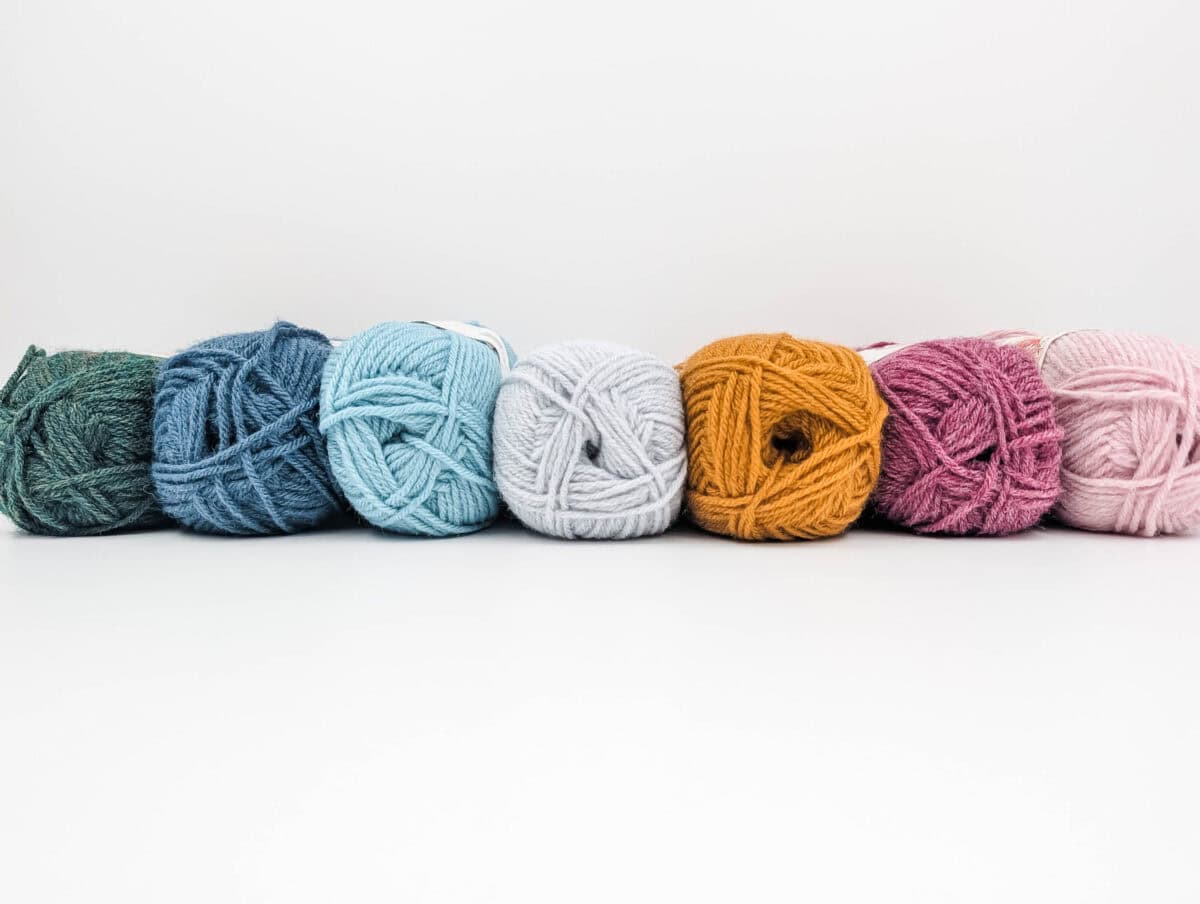
Choosing Yarn and Colors for Your Temperature Blanket
Your yarn choice influences the blanket’s drape, texture, and final weight.
Yarn Weight
- Worsted/Aran — warm, textured, classic
- DK — balanced and perfect for 365 rows
- Sport/Baby — compact, lightweight blankets
Fiber Types
- Acrylic — durable and washable
- Cotton — crisp and breathable
- Wool — warm and cozy
Color Palette Tips
- Blues and teals for cold days
- Greens, yellows, and peach for transitional temps
- Reds and oranges for warm or hot days
Avoid too many similar shades to prevent muddiness. Buy extra mid-range colors.
Best Crochet Stitches for a Temperature Blanket
Choose simple stitches that showcase color changes without creating excessive length.
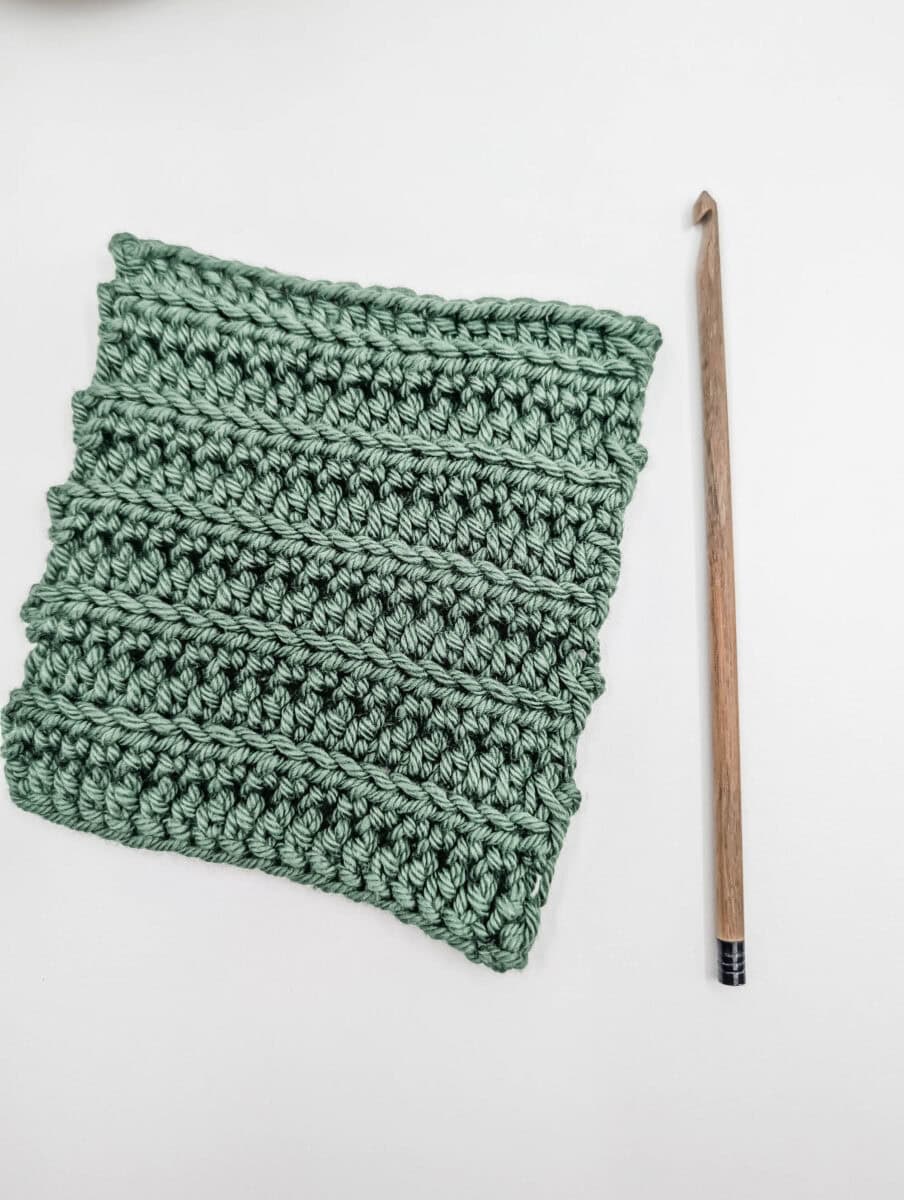
Half Double Crochet (hdc)
- Ideal balance of height and density
- Soft, warm fabric
- Makes color shifts clear
Linen Stitch (or Half Double Crochet and Chain Even)
- Beautiful woven texture
- Smooth color transitions
- The hdc + chain version provides a similar look with familiar motion

V-Stitch
- Airy and drapey
- Great for warm climates or large blankets
Granny Stripes
- Bold, playful color changes
- Forgiving if tension varies
If working in blocks, granny squares or simple textured stitches like moss stitch work well.
Avoid very tall stitches (tr or taller) for daily-row blankets—they can dramatically increase the length.
Planning the Layout of Your Temperature Blanket
Your layout determines the visual flow of your blanket.
Horizontal Stripes
- Classic look
- Clear seasonal changes
Vertical Stripes
- Modern and graphic
- Worked in long panels, then joined

Seasonal Panels
- Create sections for winter, spring, summer, fall
- Encouraging milestone goals
Always swatch to calculate final dimensions.
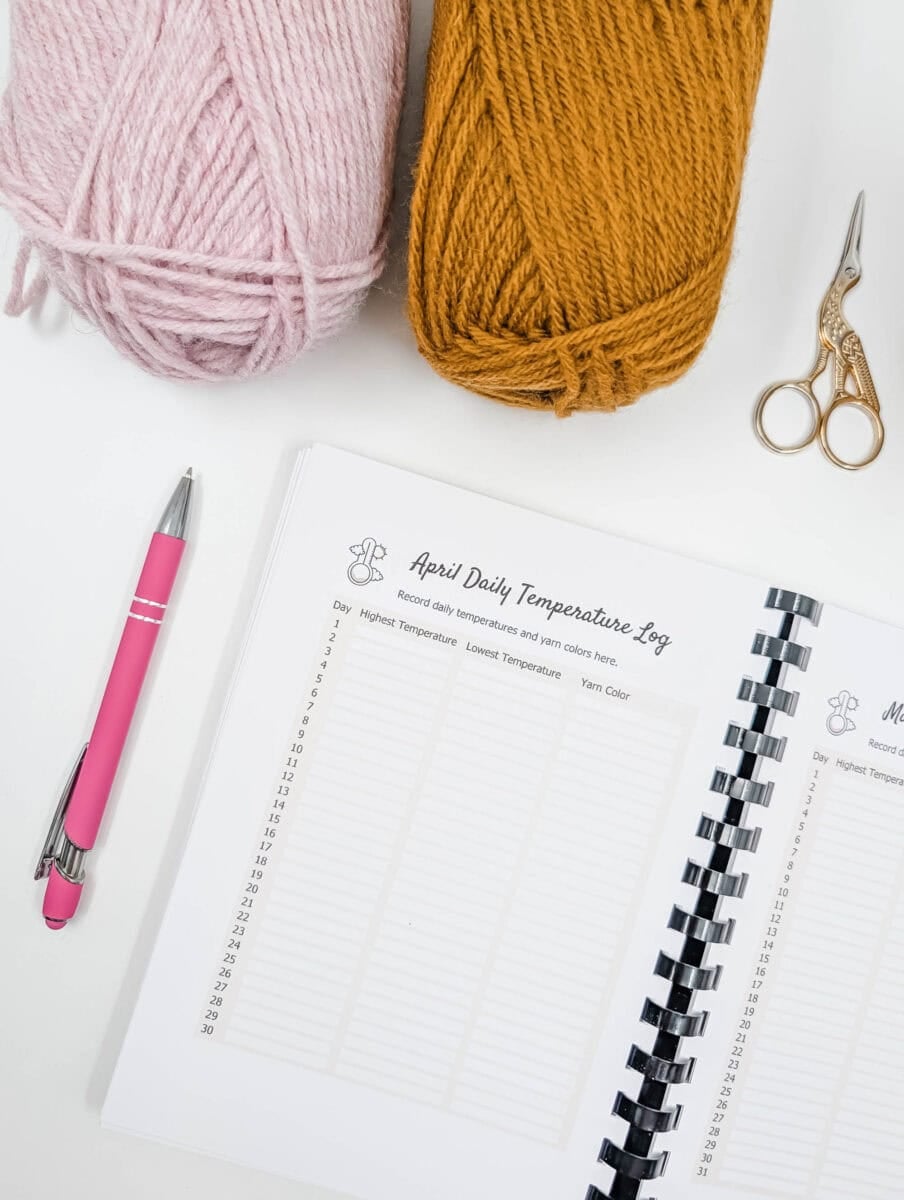
How to Track Temperatures for Your Blanket
You don’t need to crochet daily — but you do need accurate temperature logs.
Ways to Track
- Phone weather apps
- Meteorological websites
- Weather history tools
- Spreadsheets with auto-color coding
- Your crochet planner
What You Can Track
- Daily high
- Daily low
- Daily average
- Weekly average
- High/low pairs for advanced styles
Pick one tracking system and stay consistent.
Tips to Stay Consistent With a Year-Long Crochet Project
A temperature blanket is a marathon, not a sprint — these habits help.
Motivation
- Set small goals (finish January, finish Q1)
- Display your blanket somewhere visible
- Pair crocheting with a cozy routine (tea, podcasts)
Organization
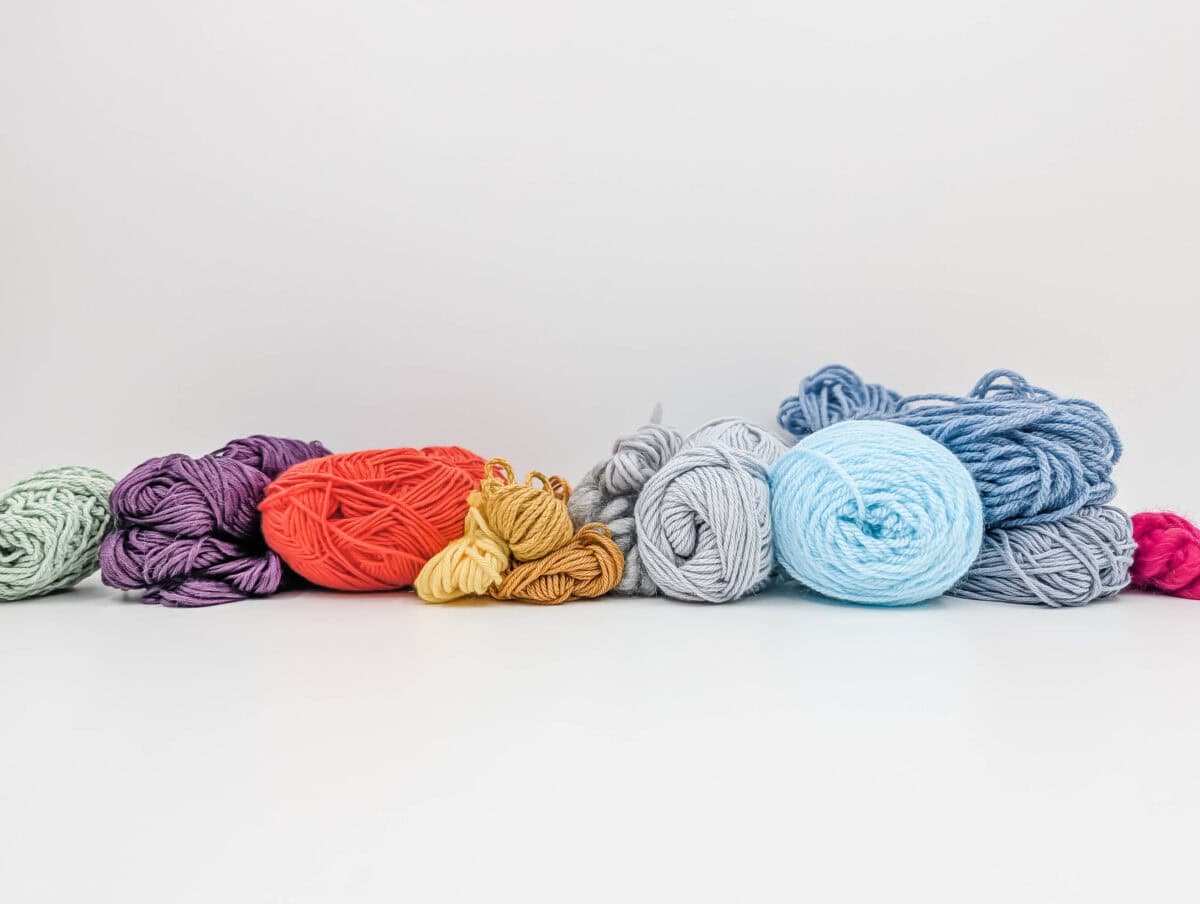
- Arrange yarn by temperature range
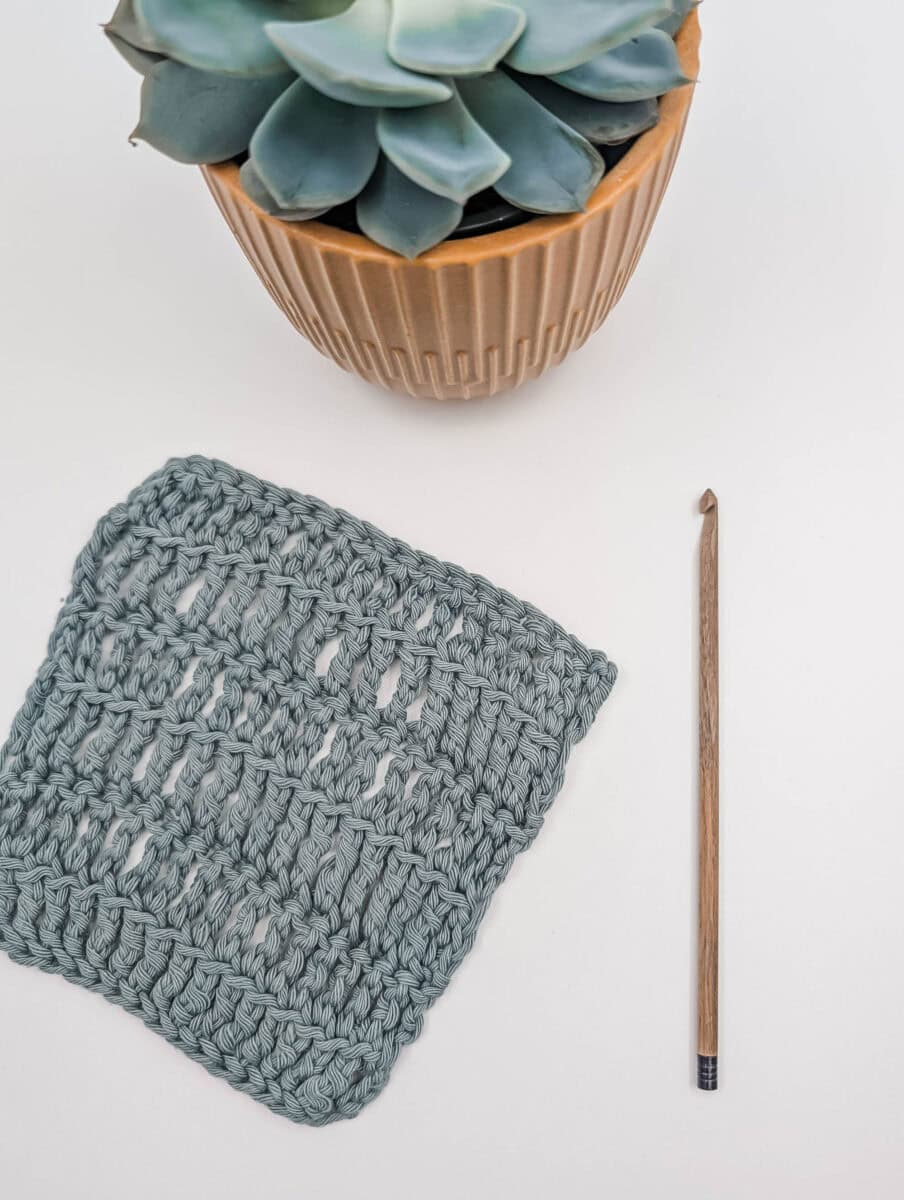
- Keep your hook and scissors with the blanket
- Use a small notions pouch
Practical Tips
- Batch crochet weekly or biweekly
- Take monthly progress photos
- Join blocks or panels quarterly
Creative Temperature Blanket Variations
These alternatives make the project fun and approachable.
Temperature Scarf
- Wearable and portable
- Beautiful daily or weekly color shifts
Temperature Shawl
- Smooth, blended transitions
- Great with airy stitches
Baby or Mini Blanket
- Beginner-friendly
- Compact, meaningful keepsake
Temperature Granny Square Throw
- One square per day, week, or month
- Endless layout possibilities
Troubleshooting: Common Questions
What if I fall behind?
Use a weather history website and update your log. You can always catch up.
How much yarn do I need?
Most makers use 8–15 skeins depending on yarn weight and temperature ranges.
What if my colors don’t transition well?
Adjust your ranges or swap a color anytime.
What if the blanket becomes too long?
Switch to weekly rows, shorter stitches, or create seasonal panels.
Final Thoughts
A temperature blanket is more than a project — it’s a slow, meaningful way to capture a year of your life in color. Whether you choose daily rows, weekly stripes, or a cozy set of seasonal panels, every stitch reflects a moment that passed, a memory you kept, and the creative rhythm you’re building.
Let yourself enjoy the process, embrace the color changes, and let your blanket grow alongside you. There’s no right or wrong pace — just the joy of watching your story unfold one stitch at a time.
You’re not just making a blanket — you’re stitching a year of your life into something beautiful.