

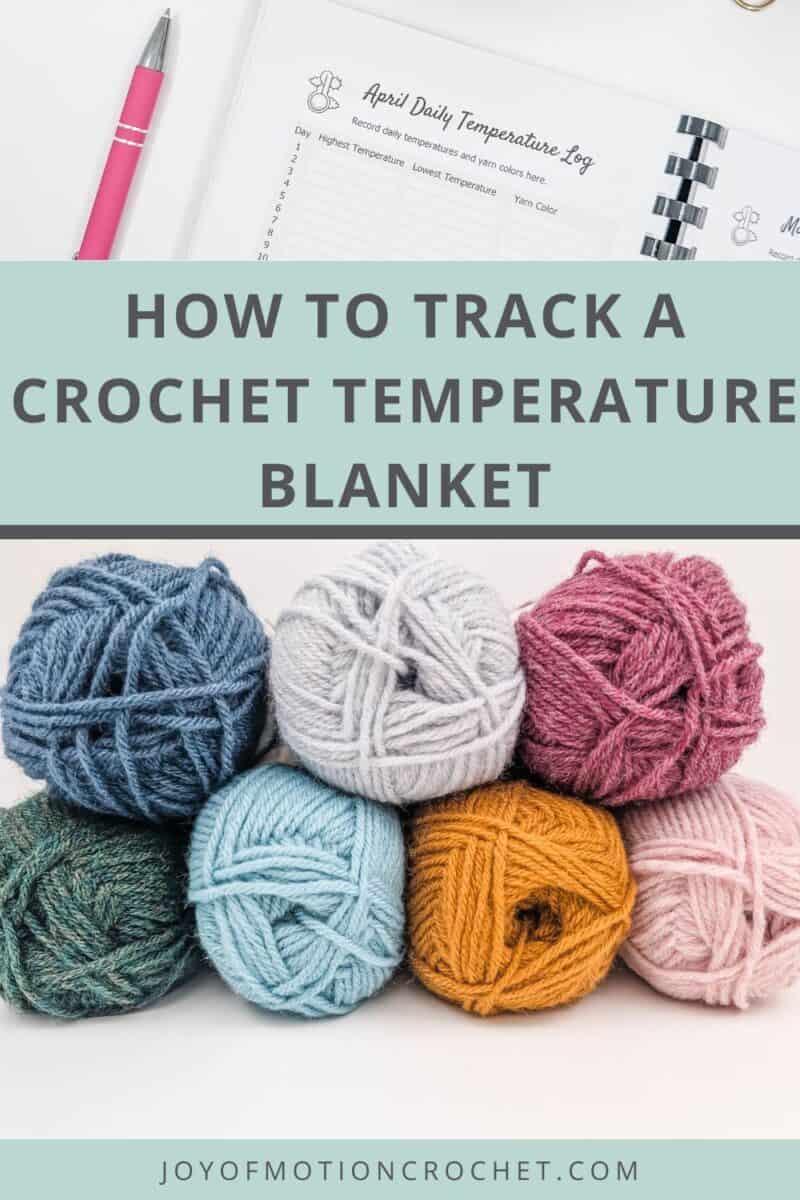
How to Track a Crochet Temperature Blanket is something every long-term maker eventually wonders about, because a temperature blanket is a year-long story told in yarn — a quiet little ritual that follows you through seasons, moods, and moments. But the real secret to finishing one isn’t choosing the perfect stitch or color palette. It’s creating a tracking rhythm that feels soft, doable, and joyful — the kind that supports you on the days you’re excited to crochet, and the days life gets busy. It’s having a simple, reliable tracking system that keeps everything organized, manageable, and motivating.
This guide is your go-to resource for staying consistent all year long. It’s not about how to start a temperature blanket or how to choose colors — those will be covered in their own posts. Instead, this post focuses on logging temperatures, tracking progress, staying organized, and keeping your project moving, even when life gets busy.
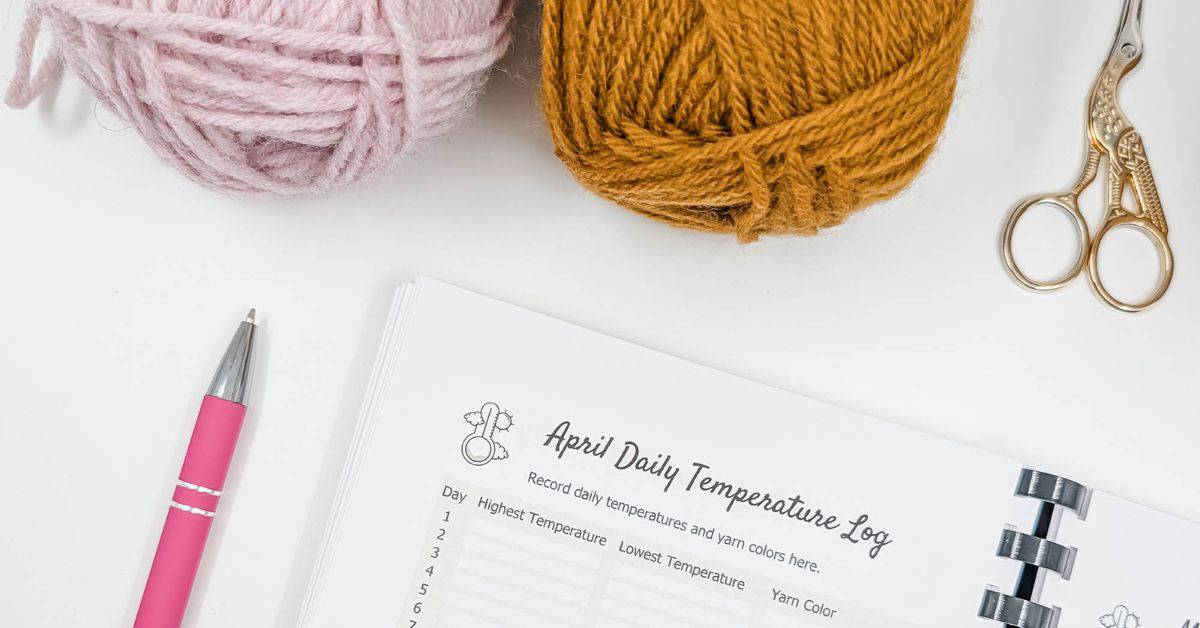

Table of Contents
1. Why Tracking Makes Such a Big Difference
A temperature blanket spans 365 days, and that means your tracking system becomes the quiet companion that holds your project together. When your notes, colors, and temperatures stay tidy, the whole project feels lighter and more enjoyable.
With thoughtful tracking, you’ll:
- Avoid those moments of wondering “What color was last Tuesday supposed to be?”
- Feel supported, even if you haven’t picked up your hook for a week
- Enjoy watching patterns emerge naturally through the year
- Stay connected to the project on days you’re too tired to crochet
Think of tracking as a gentle roadmap — one that keeps your blanket on course while still leaving room for creativity.
2. Choose Your Tracking Style (Your Way to Stay Consistent)
You don’t need a complicated method. Choose one of these tracking styles and stick with it:
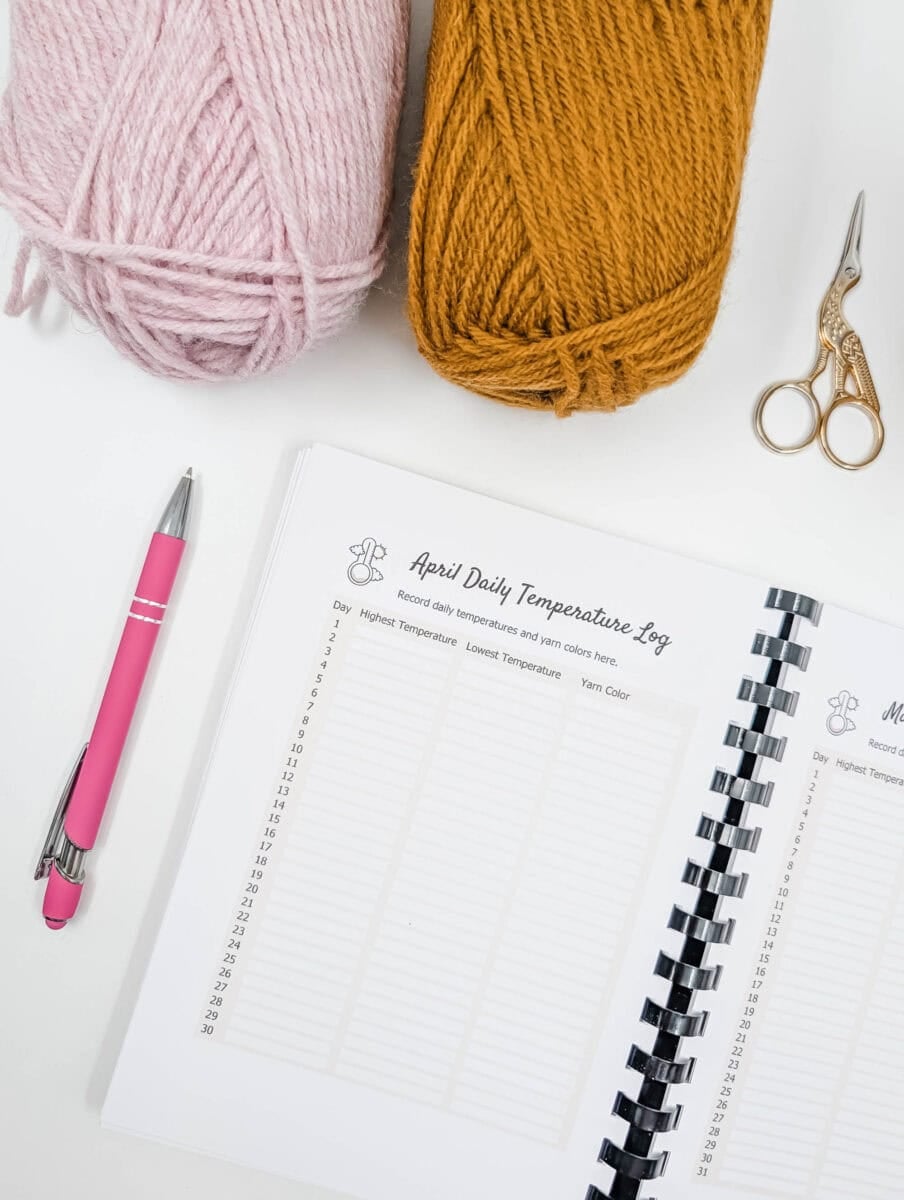
A. Daily Temperature Log
Write down the temperature every day — no crocheting required yet.
- Great if you plan to crochet several rows at once.
- Prevents the stress of “I forgot yesterday’s temperature!”
Would you like to save this?
We will email this pattern to you, so you can come back to it later.
Free, and you can unsubscribe any time.
B. Weekly Temperature Log
Record temperatures once a week.
- Perfect for batching your crochet time.
- Helps reduce daily pressure.
C. Monthly Tracking Overview
Track temperatures by month instead of day.
- Ideal for temperature blankets made with monthly blocks, panels, or motifs.
D. Digital Tracking
Use a notes app or spreadsheet.
- Easy to update on the go.
- Good for accuracy and backup.
Choose the method that matches your life — the best system is the one you’ll actually use.
3. How to Log Temperatures (Consistently and Correctly)
Once you’ve chosen your style, stick to a simple logging routine.
What you should record:
- Date
- High, low, or average temperature (choose one at the start of the year)
- Assigned color from your palette
- Optional: stitch used, yarn brand, weather notes, or mood

Where to find accurate temperatures:
- Weather apps
- Time and Date (for historical data)
- Local meteorological websites
You can even backfill data if you miss days, which takes away the stress.
4. Keep Your Yarn & Colors Organized
Long-term projects feel so much easier when your materials are calm, tidy, and ready for you. A little organization in January can save you so much stress in July.
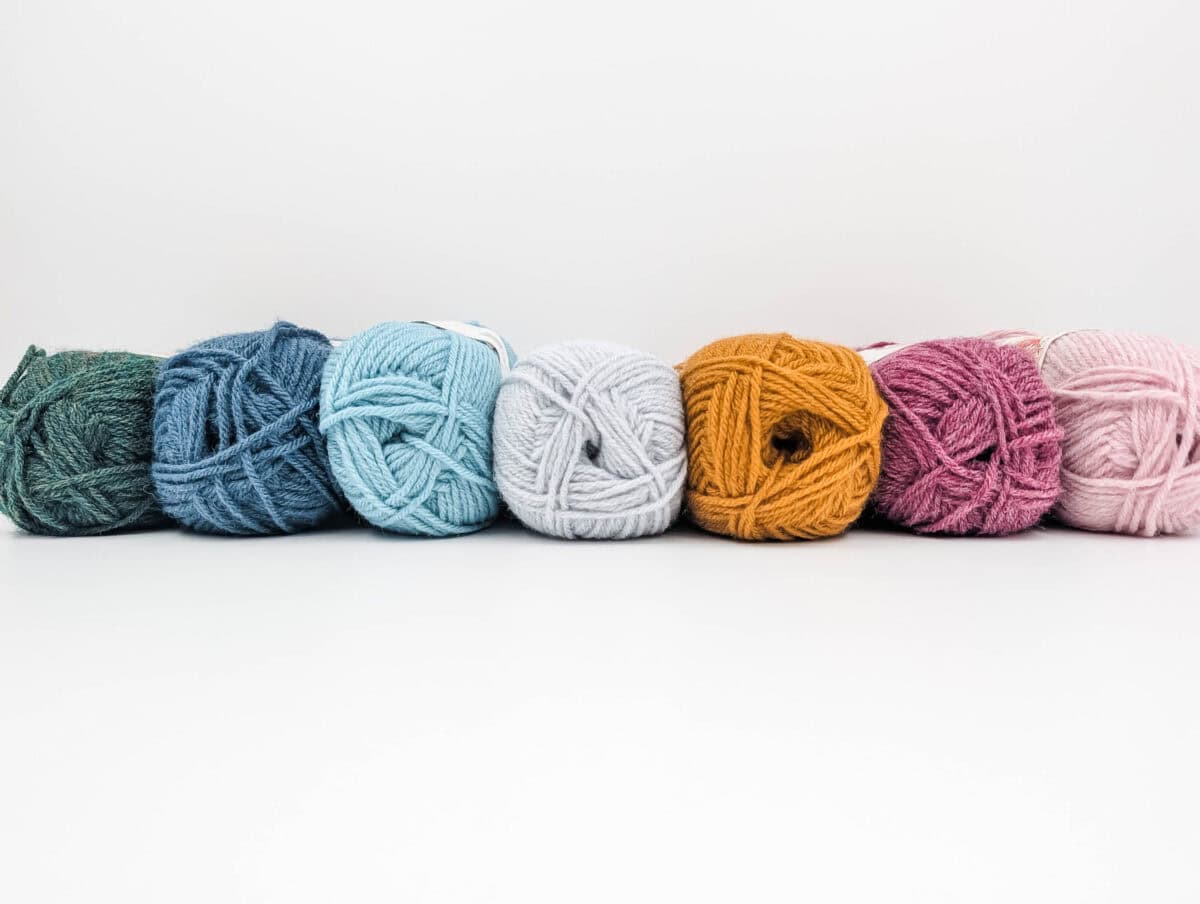
Create a color card or key
Keep a tiny swatch or strand of each color attached to a card, along with the temperature range it represents. It becomes a cozy little reference guide — and a beautiful keepsake once the year is done.
Dedicate a bin, basket, or shelf to your blanket
There’s something comforting about having everything in one place. When inspiration strikes, you can simply reach for your basket without searching for lost skeins.
Track yarn usage as you go
Track how much yarn you use as you go. Make a note when you start a new skein or get close to the end. This helps you:
- Avoid dye-lot mismatches
- Know when to restock favorite colors
- See which temperatures appear most often
Organizing your yarn isn’t just practical — it makes your project feel special, like its own little corner of your home.
5. Track Your Progress (So You Never Fall Behind)
A temperature blanket becomes much more fun when you can actually see your progress.
Daily or weekly checkboxes
Tick a box each time you crochet your temperature for the day or week.
Monthly progress photos
Take a picture at the end of each month — you’ll be amazed at your blanket’s transformation.
Mark milestones
Celebrate seasonal transitions, the halfway point, and color changes.
6. How to Recover if You Miss Days (or Weeks)
Life happens — and temperature blankets are forgiving.
If you miss a few days or weeks:
Check historical weather data and log temperatures retroactively.
If you fall far behind:
Pick a catch-up method:
- Crochet 2–3 days at a time
- Work one week per evening
- Switch to weekly averages to simplify
You can catch up — and it’s easier than you think.
7. Keep Your Stitches Consistent All Year
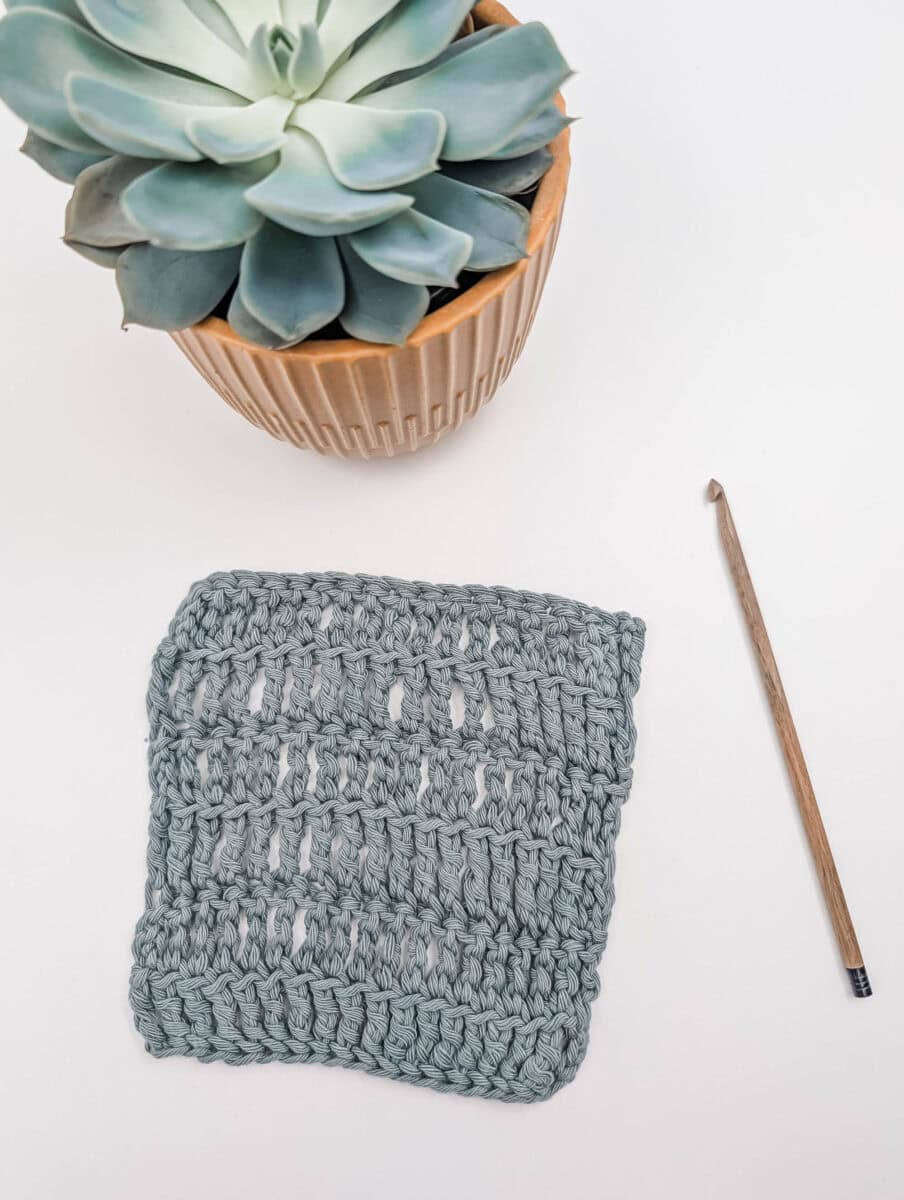
Because a temperature blanket grows slowly across twelve months, your tension naturally changes with your mood, your seasons, and even your crochet routine. That’s completely normal — but a few gentle habits can keep your blanket beautifully even.
Simple ways to stay consistent:
- Use the same hook throughout the project — it keeps your muscle memory steady.
- Keep a January swatch tucked into your project bag as a friendly reminder.
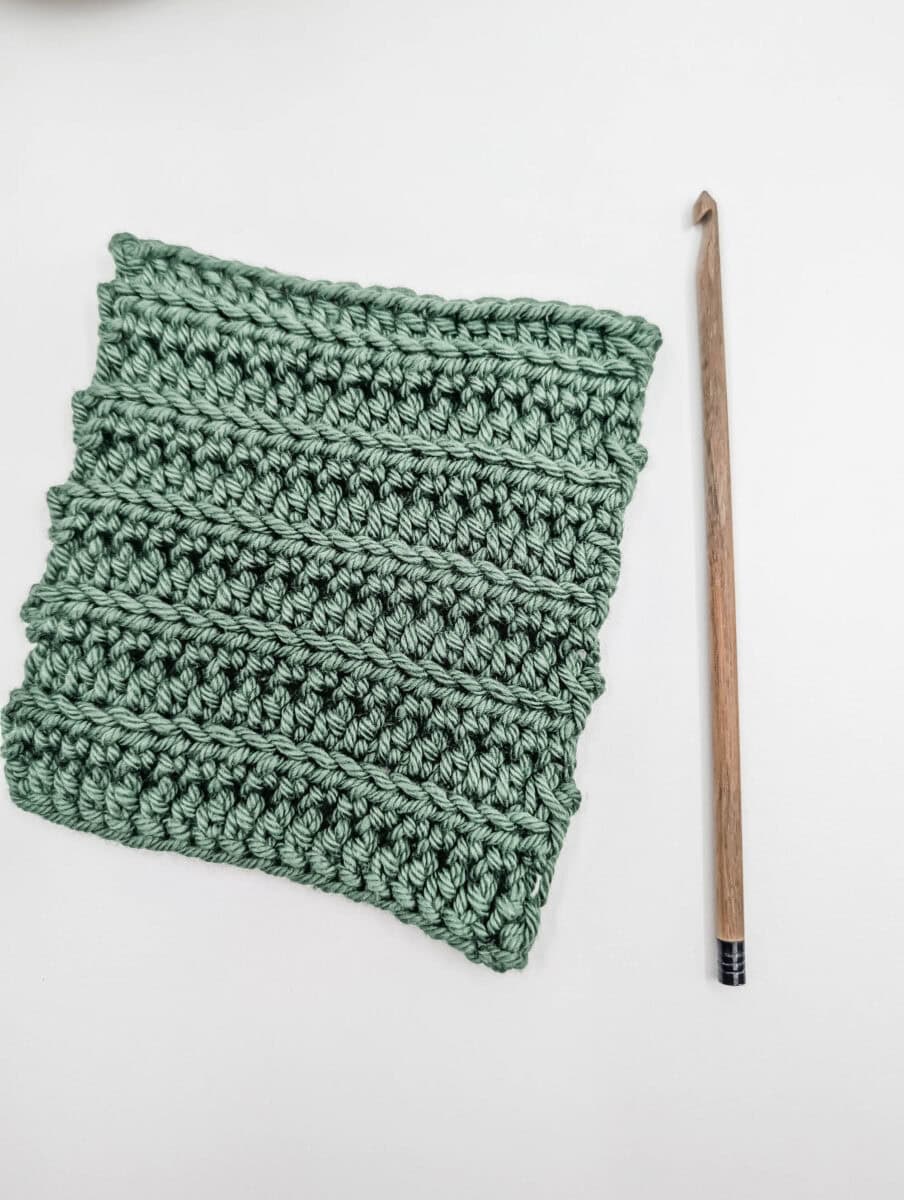
- Make a tiny monthly swatch to check whether your tension has tightened or loosened.
- Store your work flat or rolled to prevent pulling or stretching.
These small steps help your blanket feel cohesive — like a story told in one clear voice, even as the months shift around you.
8. Track Your Temperature Blanket in a Crochet Planner
Using a crochet planner makes the whole process smoother and more enjoyable.
You can use planner pages to:
- Log temperatures daily or weekly
- Track yarn inventory
- Record color assignments
- Plan your blanket layout (rows, squares, panels)
- Keep notes on stitch choices and direction changes
- Add progress photos
- Reflect on your project each month
From the planner extract, you can also use:
- Seasonal planning pages (helpful for reviewing color shifts)
- WIP tracker
- Monthly goals
- Project planning sheets
These pages keep everything organized, so you never lose momentum.

9. Troubleshooting Common Tracking Problems
A year-long project comes with a few challenges — here’s how to solve them.
Running out of a color
Switch to a close shade or adjust temperature ranges slightly.
Hating your palette mid-year
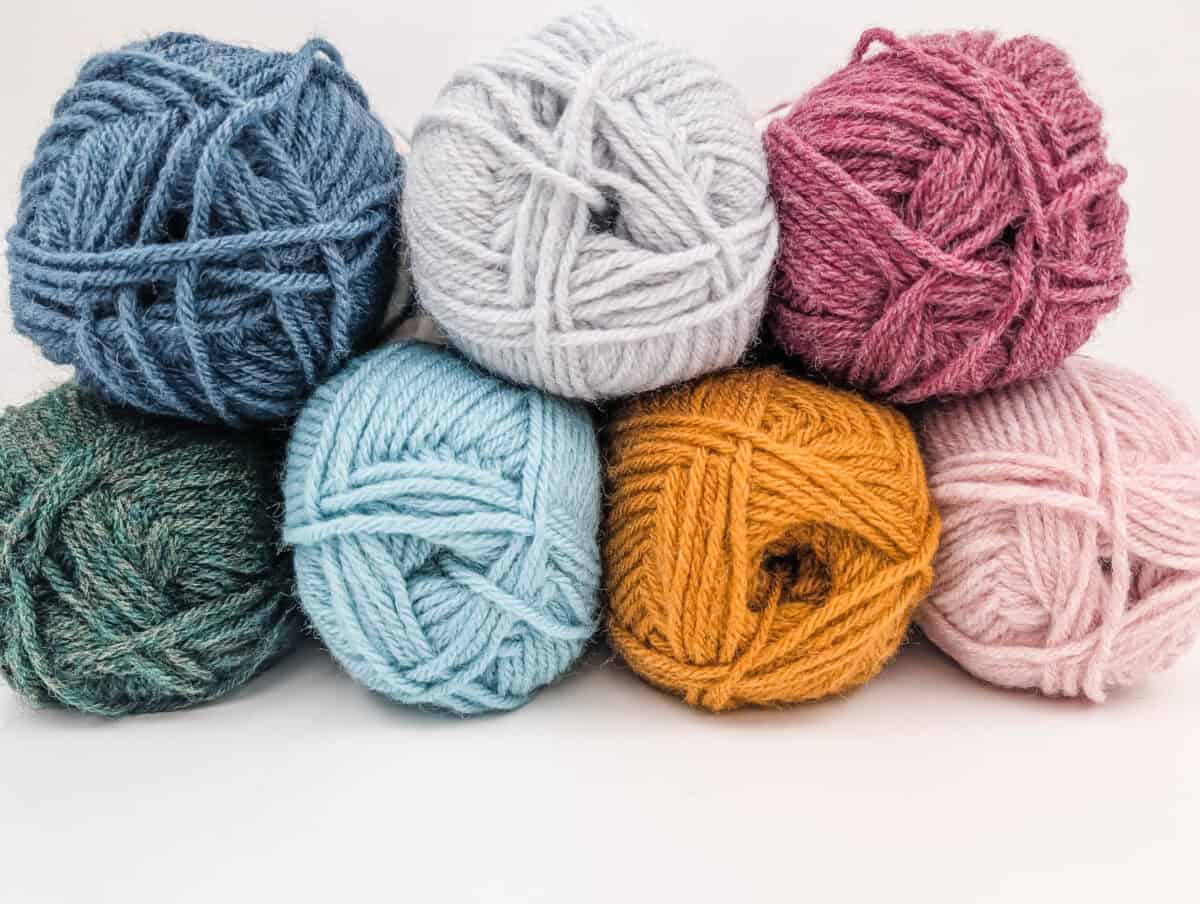
Swap in new colors gradually to blend the shift.
Not enjoying daily crocheting
Switch to weekly batching — a favorite solution for many crocheters.
Uneven tension as the year goes on
Do a quick mini swatch every month to check consistency.
Track A Crochet Temperature Blanket & Enjoy The Process
A temperature blanket isn’t just a project — it’s a companion through the year. With a simple logging routine, a cozy yarn system, and a planner that keeps your notes close, you can enjoy the process without stress or overwhelm.
Tracking turns this project into something magical: a colorful record of your days, your seasons, and your quiet moments with yarn. Whether you follow every single day or crochet in gentle weekly batches, your blanket will reflect your year in the most heartfelt way.
So take it slow, stay curious, and let your colors unfold — one temperature, one stitch, one peaceful moment at a time.