

Looking for great tips on how to avoid time-consuming mistakes in crochet? Then this is just what you need.
Have you ever found yourself frogging hours of crochet work due to a simple mistake? You’re not alone. Crocheting, while therapeutic, can quickly become frustrating when time-consuming errors are made.
Whether it’s choosing the wrong yarn-hook combination, misunderstanding patterns, or mismanaging your crochet time, these pitfalls are avoidable. By understanding the nuances of yarn and hook compatibility, perfecting your tension, and learning to accurately interpret patterns, you can sidestep common blunders.
Stick around to uncover practical tips and tricks that will elevate your crochet projects, ensuring your time is spent creating, not correcting.


Table of Contents
Key Takeaways
- Match yarn weight to hook size to prevent redoing work due to incorrect texture or size.
- Practice tension control to avoid uneven stitches that require correction.
- Familiarize yourself with pattern terms and chart symbols to reduce errors in following instructions.
- Consistently count stitches and rows to maintain pattern integrity and avoid unraveling progress.

1. Understanding Yarn and Hook Compatibility
Choosing the right yarn-hook combo is important to avoid time-consuming mistakes in crochet.
If you’ve ever found yourself puzzled over why your projects don’t match the inspiring images you’ve seen, it’s likely you haven’t paired your yarn and crochet hook correctly to meet the crochet patterns gauge.
Let’s cut to the chase. The thickness of your yarn (its weight) needs to match the size of your hook to meet the correct gauge. This isn’t just about avoiding the frustration of a too-tight or too-loose fabric; it’s about getting the result as pictured in the crochet pattern.
Every yarn label shares important secrets about its best partner in creation – the recommended crochet hook size. Don’t ignore this. It’s your shortcut to getting the result you want.
Combine the information on the yarn label, with the crochet pattern information & your intuition as a crocheter to get the result you desire.
By following these guidelines, you’re not just making things easier for yourself; you’re setting the stage for a good result. Push the boundaries of what you can create by starting with the perfect foundation.

Would you like to save this?
We will email this pattern to you, so you can come back to it later.
Free, and you can unsubscribe any time.
2. Perfecting Your Tension
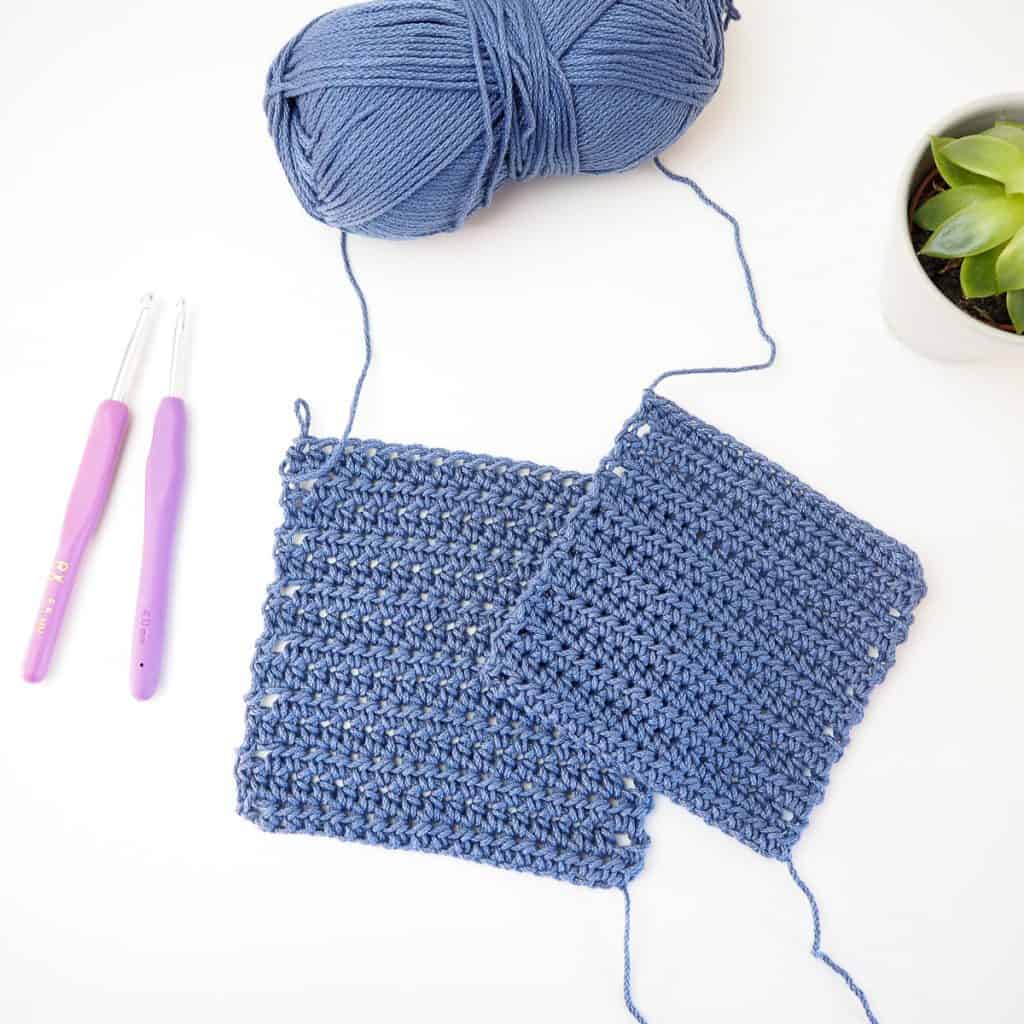
Mastering your tension is essential for ensuring each stitch is uniform and your project looks professional. It’s a fine balance between holding your yarn too tightly and letting it flow too loosely. To start, hold your yarn in a way that feels natural to you; there’s no one-size-fits-all grip. Experiment until you find a method that gives you control without straining your hands.
Pay attention to how the yarn glides through your fingers. If it’s catching or you’re fighting to pull it through, you’re likely holding it too tightly. On the flip side, if your stitches are unevenly spaced or too loose, you might need to tighten your grip slightly. Adjusting your tension is a continuous process, especially as you switch between different yarn weights and hook sizes.
Consider using ergonomic hooks to reduce hand fatigue and improve your grip, making it easier to maintain consistent tension. Don’t be afraid to take breaks and stretch your hands; tension isn’t just about how you hold your yarn but also how relaxed your body is while crocheting.
3. Reading Patterns Correctly
After starting your tension skills, the next step is to learn how to accurately read crochet patterns. It’s a game-changer that’ll elevate your craft, ensuring you’re not just mimicking stitches but truly understanding the blueprint of your projects.
Setting off on this journey, you’ll discover patterns are more than a string of crochet abbreviations; they’re a language of their own. It’s essential to familiarize yourself with common terms and symbols. Don’t just skim; dive deep.
By accurately reading crochet patterns, you’ll avoid time-consuming mistakes in crochet easily.

4. Avoiding Common Row & Stitch Mistakes
Even seasoned crocheters can slip up, but knowing common stitch mistakes empowers you to avoid them.
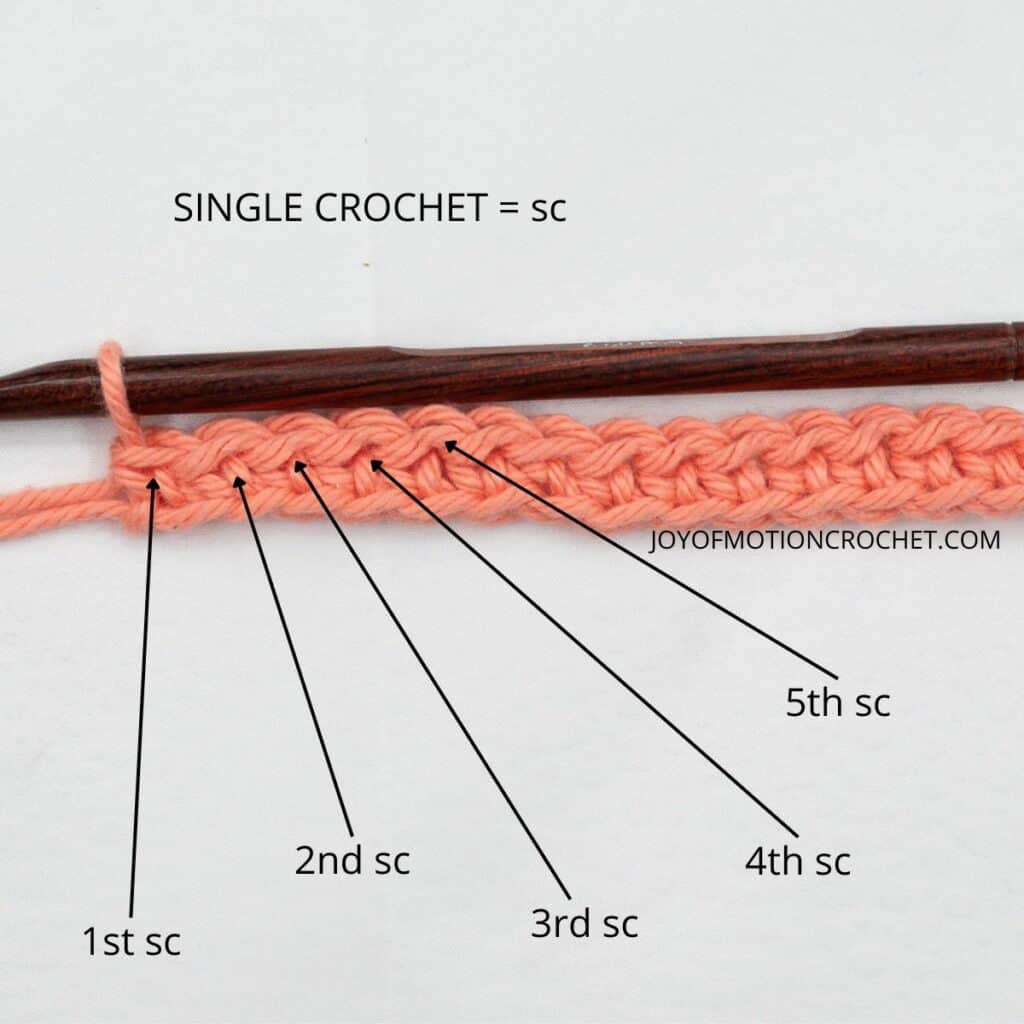
Don’t skip counting your stitches and rows, especially when you’re a beginner crocheter. It may seem like a chore, but it’s a game-changer.
Miscounting leads to uneven edges and can throw off your entire pattern. Think of it as the blueprint for your masterpiece—accuracy is everything.
5. Managing Your Crochet Time Wisely
Crafting beautiful crochet pieces often feels like a labor of love, yet managing your time wisely can transform it into a more enjoyable process.
Start by setting realistic goals. Break down your project into manageable chunks, and allocate specific times to work on them. This way, you’re not overwhelmed, and every stitch gets the attention it deserves.
Embrace the power of deadlines, even if they’re self-imposed. They’ll push you to stay on track and resist the urge to procrastinate.
But here’s the kicker – balance is key. Allocate breaks to avoid burnout. Crochet is supposed to be fun, after all.
Invest in a project planner or use a digital app to keep track of your progress. It’s not just about ticking off & photographing what you’ve done; it’s about visualizing your journey. This can be incredibly motivating.
Avoid Time-Consuming Mistakes in Crochet
In wrapping up, remember, avoiding time-consuming mistakes in crochet isn’t just about speed; it’s about smart crafting. By choosing the right yarn and hook, perfecting your tension, accurately reading patterns, steering clear of stitch count errors, and managing your time wisely, you’ll dodge those time-consuming mistakes.
Keep practicing, stay patient, and soon, you’ll find your crochet projects not only finishing quicker but also looking more professional. So, grab your hook and yarn, and let’s make every stitch count. Happy crocheting!